call 09.83.99.55.32
mail Contact Form
question_answer Frequently Asked Questions
| Monday | 9:30 AM - 12:00 PM | 2:00 PM - 7:00 PM |
| Tuesday | 9:30 AM - 12:00 PM | 2:00 PM - 7:00 PM |
| Wednesday | 9:00 AM - 5:00 PM NON-STOP |
| Thursday | 9:30 AM - 12:00 PM | 2:00 PM - 7:00 PM |
| Friday | 9:30 AM - 12:00 PM | 2:00 PM - 7:00 PM |
| Saturday | 9:30 AM - 12:00 PM |
1012 Chemin de la Croix Verte
ZA Croix Verte
38330 Montbonnot Saint Martin
| Monday | 9:30 AM - 12:00 PM, 2:00 PM - 7:00 PM |
| Tuesday | 9:30 AM - 12:00 PM, 2:00 PM - 7:00 PM |
| Wednesday | 9:30 AM - 5:00 PM NON-STOP |
| Thursday | 9:30 AM - 12:00 PM, 2:00 PM - 7:00 PM |
| Friday | 9:30 AM - 12:00 PM, 2:00 PM - 7:00 PM |
| Saturday | 9:30 AM - 12:00 PM |
Pick up your online orders within 2 hours
Find all the products available on our website
call 09.83.99.55.32
mail Contact Form
question_answer Frequently Asked Questions
| Monday | 9:30 AM - 12:00 PM | 2:00 PM - 7:00 PM |
| Tuesday | 9:30 AM - 12:00 PM | 2:00 PM - 7:00 PM |
| Wednesday | 9:00 AM - 5:00 PM NON-STOP |
| Thursday | 9:30 AM - 12:00 PM | 2:00 PM - 7:00 PM |
| Friday | 9:30 AM - 12:00 PM | 2:00 PM - 7:00 PM |
| Saturday | 9:30 AM - 12:00 PM |
1012 Chemin de la Croix Verte
ZA Croix Verte
38330 Montbonnot Saint Martin
| Monday | 9:30 AM - 12:00 PM, 2:00 PM - 7:00 PM |
| Tuesday | 9:30 AM - 12:00 PM, 2:00 PM - 7:00 PM |
| Wednesday | 9:30 AM - 5:00 PM NON-STOP |
| Thursday | 9:30 AM - 12:00 PM, 2:00 PM - 7:00 PM |
| Friday | 9:30 AM - 12:00 PM, 2:00 PM - 7:00 PM |
| Saturday | 9:30 AM - 12:00 PM |
Pick up your online orders within 2 hours
Find all the products available on our website
Emphysema in Horses - Chronic Coughing
Chronic Cough and Equine Emphysema
The horse’s respiratory system can become highly sensitive due to dusty environments, pollen exposure, and sudden climate changes. Chronic coughing in horses is often the result of respiratory hypersensitivity, where the horse reacts to airborne particles such as pollen, dust mites, mold spores, and stable dust.
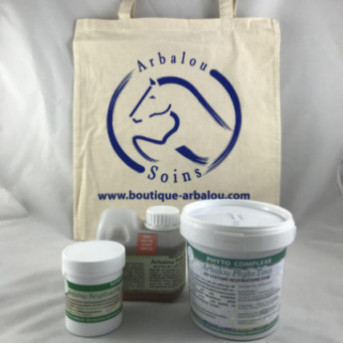
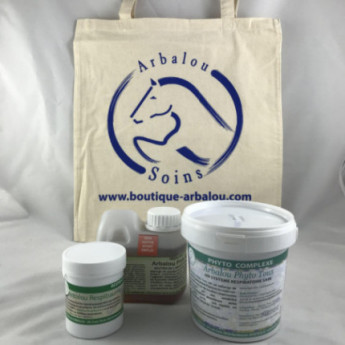
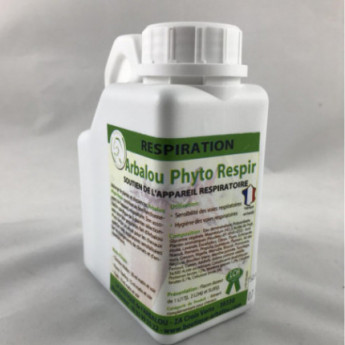
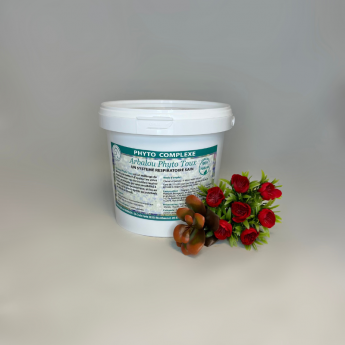
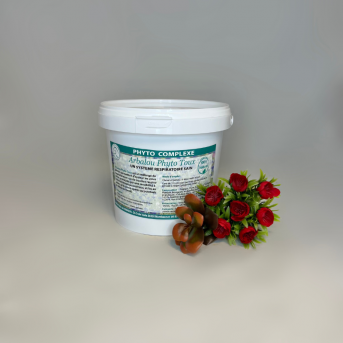
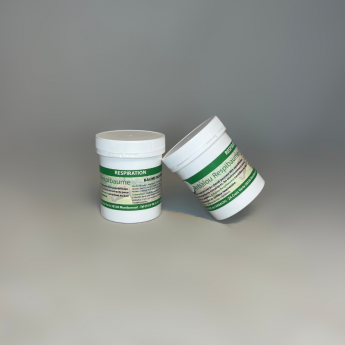
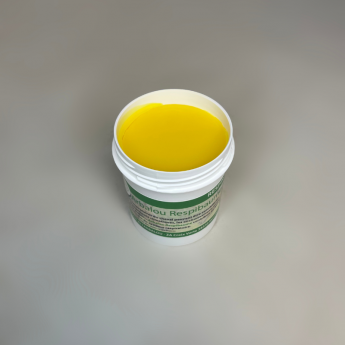
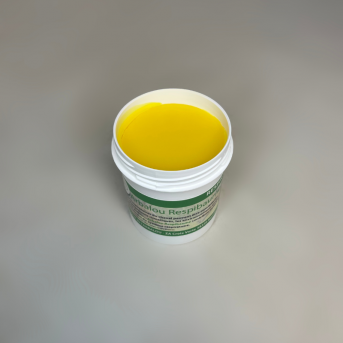
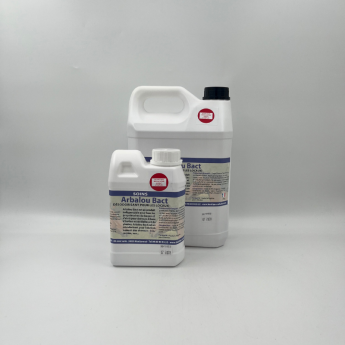
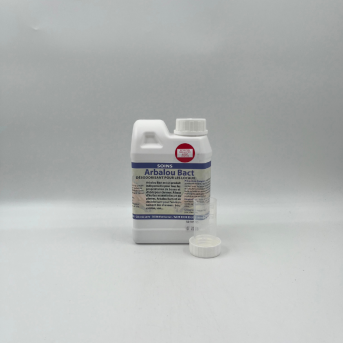
Based on natural herbal blends for horses, balms, syrups, or nebulization solutions, the Arbalou Soins range, proudly made in France, provides targeted and specific support for different respiratory conditions in horses.
Equine emphysema is often compared to asthma in humans. This respiratory condition is relatively common in horses. While it cannot be fully cured, it can be managed effectively to help the horse or pony maintain a near-normal quality of life.
This disease is characterized by airway obstruction, with or without mucus production. Equine emphysema may develop as a result of chronic bronchitis, inflammatory reactions, allergies, or infections. It is also strongly influenced by poor environmental conditions such as inadequate stable ventilation, as well as exposure to pollen, dust, or mold.
The onset of equine emphysema is often linked to hypersensitivity to airborne particles found in the horse’s environment or feed. Inflammation and thickening of the airway tissues reduce bronchial diameter and increase mucus production, leading to breathing difficulties and respiratory insufficiency.
9 products
What Solutions Can Help Relieve a Horse with Emphysema?
The earlier equine emphysema is identified, the sooner appropriate measures can be implemented to relieve the horse and prevent respiratory crises that may worsen the animal’s condition. Recurrent bronchial obstruction can often be reduced through simple daily management adjustments and an adapted diet.
To achieve meaningful improvement in the horse’s respiratory health, it is essential to combine medical care with proper environmental management aimed at improving overall comfort and living conditions.
Environmental management
If the horse lives in a stable, it should be turned out as often as possible, ideally daily, to ensure access to fresh air and reduce exposure to indoor irritants. Bedding choice is also important: wood shavings are preferred over straw, as they produce less dust.
Stable ventilation must be optimal to ensure constant air renewal. If the horse is housed in a shared stable, all stalls should be cleaned regularly to prevent the buildup of manure and the release of irritant gases such as ammonia, which can severely affect the respiratory system.
Feeding adjustments
While pasture grazing is not always possible year-round, hay is commonly used as the main forage source. However, in horses with emphysema, hay should be soaked or replaced with wrapped/low-dust forage to significantly reduce dust exposure.
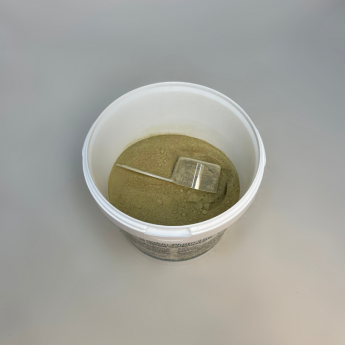
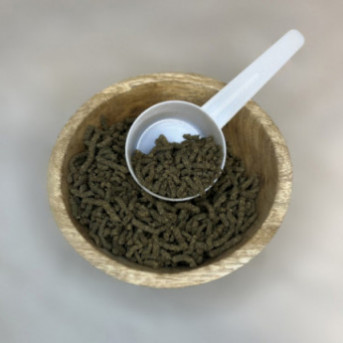
Certain equine phytotherapy supplements, such as those from Arbalou Soins, can provide targeted support for respiratory conditions. Balms, syrups, essential oils, and herbal blends are designed to help ease breathing and reduce sensitivity to allergens.
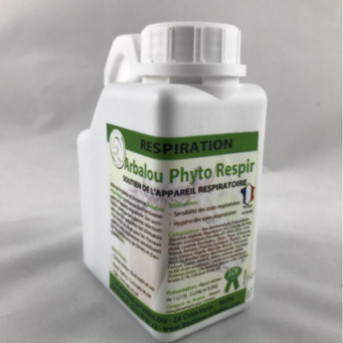
Products such as Arbalou Herbal Cough and Arbalou Chroniccough are specifically formulated to support horses, ponies, and donkeys suffering from emphysema and chronic cough.
A consistent daily management routine aimed at reducing dust, allergens, and pollen—combined with appropriate nutritional support—can significantly improve respiratory comfort in horses.
In cases of severe respiratory crisis, veterinary intervention is essential in order to provide rapid medical treatment and relieve the horse as quickly as possible.