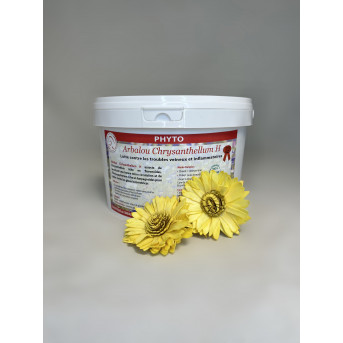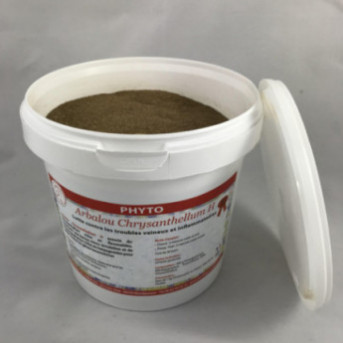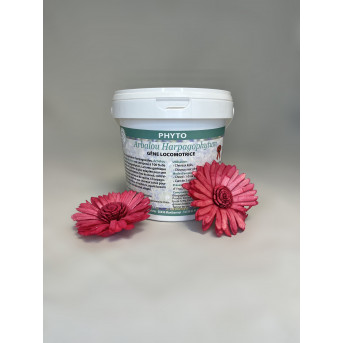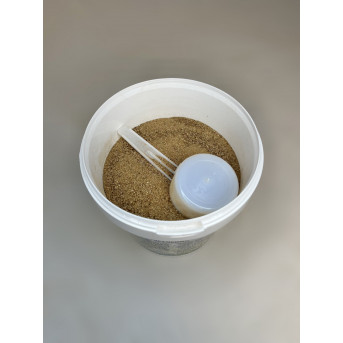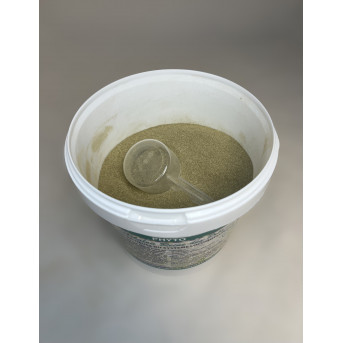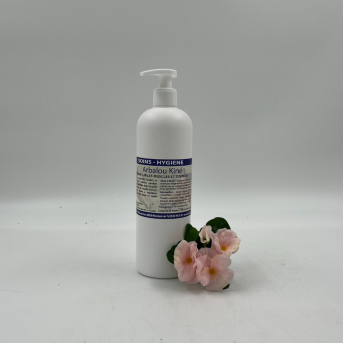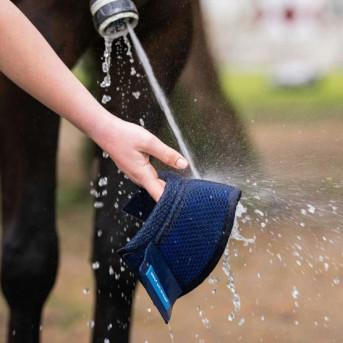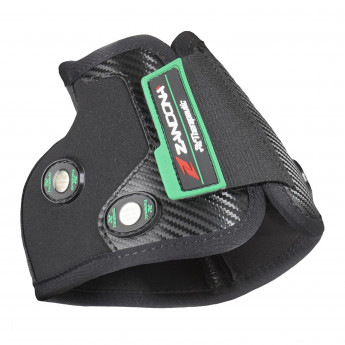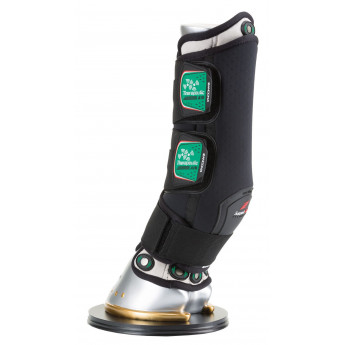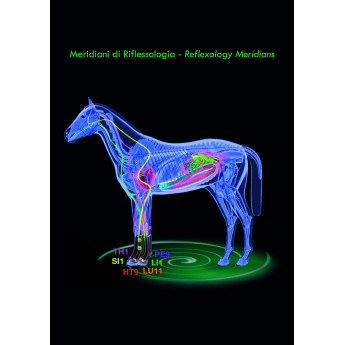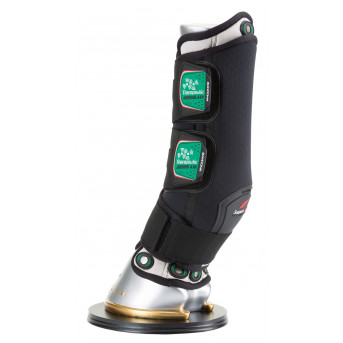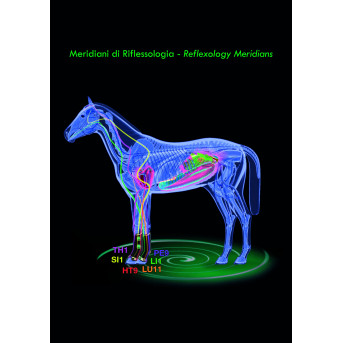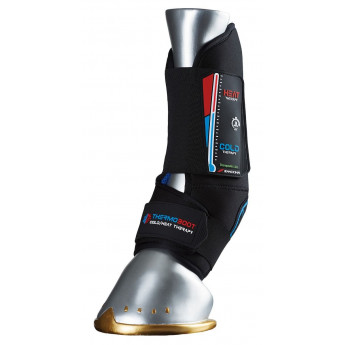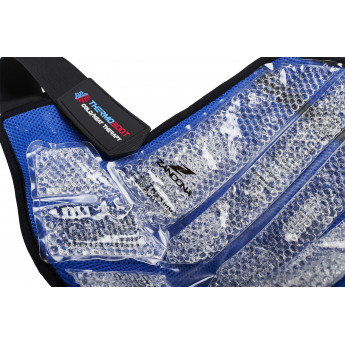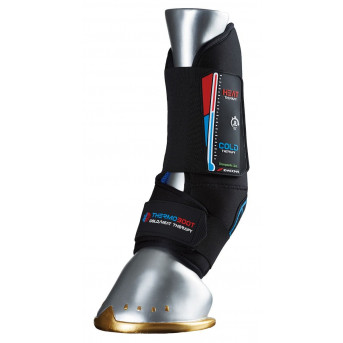
Poor blood circulation in horses, or a reduction in the integrity of blood capillaries, can be the cause or...
Starting at €21.40
€21.40
call 09.83.99.55.32
mail Contact Form
question_answer Frequently Asked Questions
| Monday | 9:30 AM - 12:00 PM | 2:00 PM - 7:00 PM |
| Tuesday | 9:30 AM - 12:00 PM | 2:00 PM - 7:00 PM |
| Wednesday | 9:00 AM - 5:00 PM NON-STOP |
| Thursday | 9:30 AM - 12:00 PM | 2:00 PM - 7:00 PM |
| Friday | 9:30 AM - 12:00 PM | 2:00 PM - 7:00 PM |
| Saturday | 9:30 AM - 12:00 PM |
1012 Chemin de la Croix Verte
ZA Croix Verte
38330 Montbonnot Saint Martin
| Monday | 9:30 AM - 12:00 PM, 2:00 PM - 7:00 PM |
| Tuesday | 9:30 AM - 12:00 PM, 2:00 PM - 7:00 PM |
| Wednesday | 9:30 AM - 5:00 PM NON-STOP |
| Thursday | 9:30 AM - 12:00 PM, 2:00 PM - 7:00 PM |
| Friday | 9:30 AM - 12:00 PM, 2:00 PM - 7:00 PM |
| Saturday | 9:30 AM - 12:00 PM |
Pick up your online orders within 2 hours
Find all the products available on our website
call 09.83.99.55.32
mail Contact Form
question_answer Frequently Asked Questions
| Monday | 9:30 AM - 12:00 PM | 2:00 PM - 7:00 PM |
| Tuesday | 9:30 AM - 12:00 PM | 2:00 PM - 7:00 PM |
| Wednesday | 9:00 AM - 5:00 PM NON-STOP |
| Thursday | 9:30 AM - 12:00 PM | 2:00 PM - 7:00 PM |
| Friday | 9:30 AM - 12:00 PM | 2:00 PM - 7:00 PM |
| Saturday | 9:30 AM - 12:00 PM |
1012 Chemin de la Croix Verte
ZA Croix Verte
38330 Montbonnot Saint Martin
| Monday | 9:30 AM - 12:00 PM, 2:00 PM - 7:00 PM |
| Tuesday | 9:30 AM - 12:00 PM, 2:00 PM - 7:00 PM |
| Wednesday | 9:30 AM - 5:00 PM NON-STOP |
| Thursday | 9:30 AM - 12:00 PM, 2:00 PM - 7:00 PM |
| Friday | 9:30 AM - 12:00 PM, 2:00 PM - 7:00 PM |
| Saturday | 9:30 AM - 12:00 PM |
Pick up your online orders within 2 hours
Find all the products available on our website
| Monday | 9:30 AM - 12:00 PM, 2:00 PM - 7:00 PM |
| Tuesday | 9:30 AM - 12:00 PM, 2:00 PM - 7:00 PM |
| Wednesday | 9:30 AM - 5:00 PM NON-STOP |
| Thursday | 9:30 AM - 12:00 PM, 2:00 PM - 7:00 PM |
| Friday | 9:30 AM - 12:00 PM, 2:00 PM - 7:00 PM |
| Saturday | 9:30 AM - 12:00 PM |
Laminitis in horses is a common condition that can have serious consequences if not treated in time. Often linked to inflammation of the soft tissues within the hooves, it can cause significant pain and discomfort for the animal.
Discover our dietary supplements designed to help prevent and relieve laminitis in horses, as well as specialized creams and clays to support healthy blood circulation.
Explore also our ranges of horse supplements, dog supplements, cat supplements, and natural supplements. We also offer highly targeted products, particularly to help relieve lymphangitis in horses.
Equine Cushing’s syndrome mainly affects older horses and requires careful management to prevent metabolic and hormonal complications. To maintain smooth movement and prevent joint stiffness, targeted solutions for joint support in horses are recommended, especially for senior or hard-working horses. Finally, regular use of a plant-based horse dewormer helps limit parasitic infestations while preserving gut flora, which is essential for overall health.
11 products


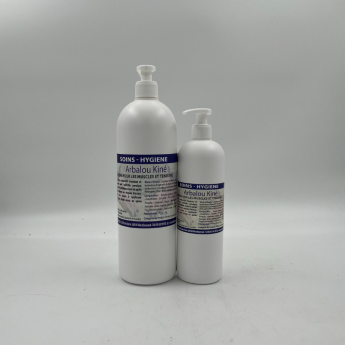
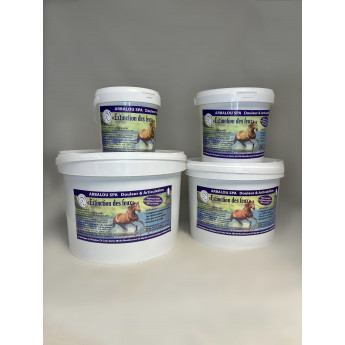
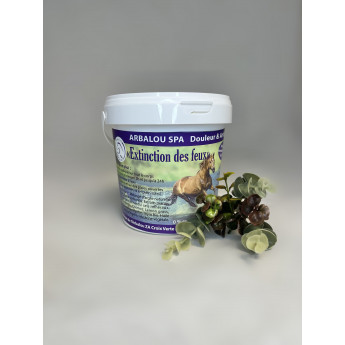
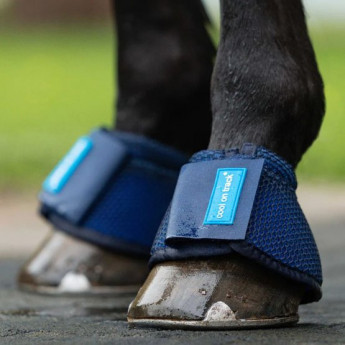
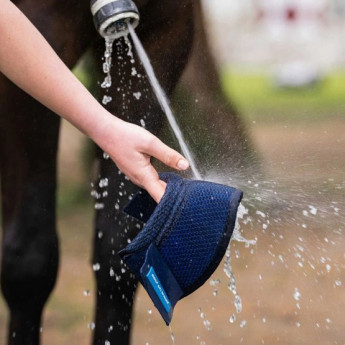
Laminitis is a painful inflammation of the sensitive laminae within the horse’s hoof, also known as “laminae inflammation.” This condition can lead to damage of the internal hoof structures, creating a metabolic imbalance inside the foot. It may result in rotation or sinking of the coffin bone, severely compromising the horse’s locomotion.
Horses affected by this condition often experience intense pain, leading to noticeable changes in their way of moving. Early recognition of laminitis symptoms is therefore essential to limit damage and ensure prompt and appropriate treatment.
Dietary causes are a major factor in the onset of laminitis. A diet high in carbohydrates—especially excess sugars and starches found in certain feeds—represents a significant risk. These carbohydrates can ferment in the horse’s digestive system, leading to gas production and triggering inflammation.
Other causes include metabolic disorders such as Cushing’s syndrome or insulin resistance. These conditions make horses more sensitive to dietary fluctuations, increasing the risk of laminitis. Careful management of diet and overall health is therefore essential for prevention.
Overweight, trauma due to intense exercise on hard surfaces, and lack of physical activity are also contributing risk factors.
Early detection can make a major difference in recovery. One of the first signs is varying degrees of lameness depending on the severity of inflammation. Horses often try to shift their weight to relieve pain, making careful observation essential.
Another early indicator is excessive heat in the hooves caused by underlying inflammation. Regularly checking your horse’s feet can help detect abnormal temperature increases. Difficulty standing up or reluctance to move also often indicates significant pain requiring immediate veterinary attention.
Limit excessive grain or carbohydrate-rich feeds and prioritize high-quality forage.
Some pastures are high in sugars, especially in spring and autumn. Limiting access or controlling grazing time is recommended.
Mineral- and trace element-rich supplements can help strengthen hooves and support blood circulation in the feet.
Obesity is a major risk factor. Regular exercise and proper feeding help maintain optimal body condition.
Routine farrier care helps prevent deformities and hoof-related issues.
To help prevent laminitis and support recovery after inflammation, incorporating natural supplements into the horse’s diet can be highly beneficial. These supplements play a key role in nutritional balance and overall equine health.
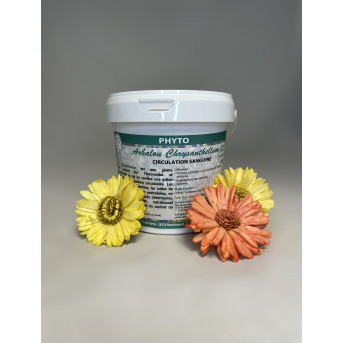
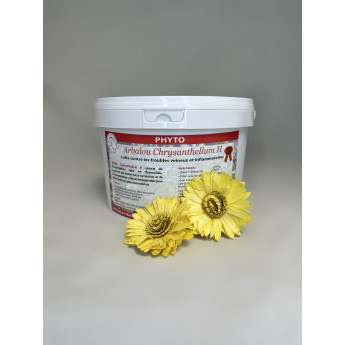
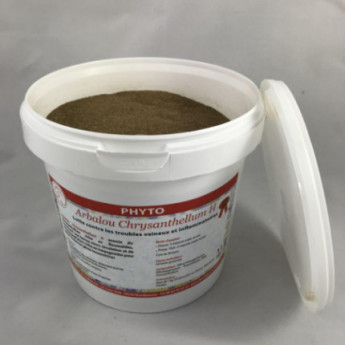
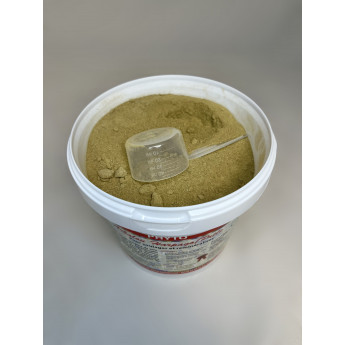
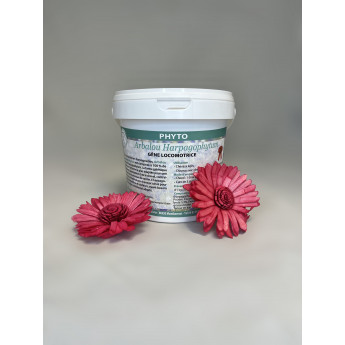
For prevention, Arbalou Chrysanthellum supports healthy blood circulation in horses.
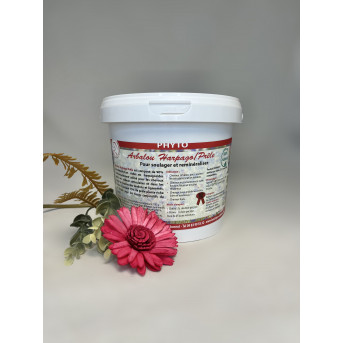
During laminitis episodes: Arbalou Chrysanthellum H
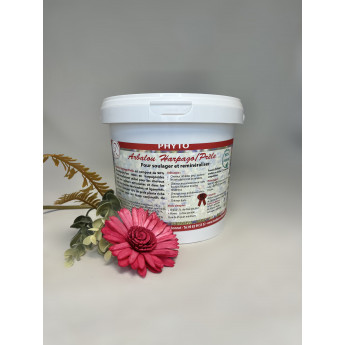
This formula combines Chrysanthellum and Harpagophytum, selected for their anti-inflammatory and circulatory properties. Chrysanthellum is known for its beneficial effects on blood flow, helping to reduce tissue inflammation. Harpagophytum, commonly known as Devil’s Claw, is widely used for its ability to relieve joint and muscle pain.
Arbalou Chrysanthellum-Harpagophytum offers valuable support in managing laminitis discomfort.
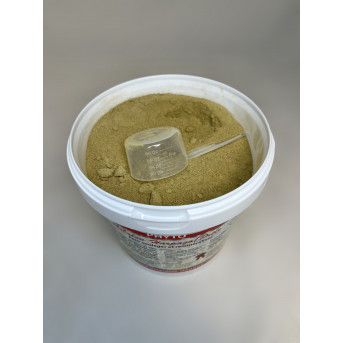
When supplementing a horse’s diet, consistency and moderation are essential. Introducing products such as Chrysanthellum or Harpagophytum allows you to observe the horse’s response while benefiting from their effects without unwanted side effects. This supplement can be given without feed, or mixed into a small bucket with carrots if needed.