

ARBALOU PHYTO JOINTS Natural herbal blend to support your horse’s joint comfort and daily well-being 100% pure...
Starting at €45.80
call 09.83.99.55.32
mail Contact Form
question_answer Frequently Asked Questions
| Monday | 9:30 AM - 12:00 PM | 2:00 PM - 7:00 PM |
| Tuesday | 9:30 AM - 12:00 PM | 2:00 PM - 7:00 PM |
| Wednesday | 9:00 AM - 5:00 PM NON-STOP |
| Thursday | 9:30 AM - 12:00 PM | 2:00 PM - 7:00 PM |
| Friday | 9:30 AM - 12:00 PM | 2:00 PM - 7:00 PM |
| Saturday | 9:30 AM - 12:00 PM |
1012 Chemin de la Croix Verte
ZA Croix Verte
38330 Montbonnot Saint Martin
| Monday | 9:30 AM - 12:00 PM, 2:00 PM - 7:00 PM |
| Tuesday | 9:30 AM - 12:00 PM, 2:00 PM - 7:00 PM |
| Wednesday | 9:30 AM - 5:00 PM NON-STOP |
| Thursday | 9:30 AM - 12:00 PM, 2:00 PM - 7:00 PM |
| Friday | 9:30 AM - 12:00 PM, 2:00 PM - 7:00 PM |
| Saturday | 9:30 AM - 12:00 PM |
Pick up your online orders within 2 hours
Find all the products available on our website
call 09.83.99.55.32
mail Contact Form
question_answer Frequently Asked Questions
| Monday | 9:30 AM - 12:00 PM | 2:00 PM - 7:00 PM |
| Tuesday | 9:30 AM - 12:00 PM | 2:00 PM - 7:00 PM |
| Wednesday | 9:00 AM - 5:00 PM NON-STOP |
| Thursday | 9:30 AM - 12:00 PM | 2:00 PM - 7:00 PM |
| Friday | 9:30 AM - 12:00 PM | 2:00 PM - 7:00 PM |
| Saturday | 9:30 AM - 12:00 PM |
1012 Chemin de la Croix Verte
ZA Croix Verte
38330 Montbonnot Saint Martin
| Monday | 9:30 AM - 12:00 PM, 2:00 PM - 7:00 PM |
| Tuesday | 9:30 AM - 12:00 PM, 2:00 PM - 7:00 PM |
| Wednesday | 9:30 AM - 5:00 PM NON-STOP |
| Thursday | 9:30 AM - 12:00 PM, 2:00 PM - 7:00 PM |
| Friday | 9:30 AM - 12:00 PM, 2:00 PM - 7:00 PM |
| Saturday | 9:30 AM - 12:00 PM |
Pick up your online orders within 2 hours
Find all the products available on our website
| Monday | 9:30 AM - 12:00 PM, 2:00 PM - 7:00 PM |
| Tuesday | 9:30 AM - 12:00 PM, 2:00 PM - 7:00 PM |
| Wednesday | 9:30 AM - 5:00 PM NON-STOP |
| Thursday | 9:30 AM - 12:00 PM, 2:00 PM - 7:00 PM |
| Friday | 9:30 AM - 12:00 PM, 2:00 PM - 7:00 PM |
| Saturday | 9:30 AM - 12:00 PM |
Check out our FAQ to quickly find answers to all your questions.
Order online and pick up your order at the Montbonnot store in just 2 hours.
Enjoy free shipping on orders of €80 or more when picking up at a pickup point, and €99 or more for home delivery*.
Earn points with every purchase and enjoy exclusive benefits all year round.
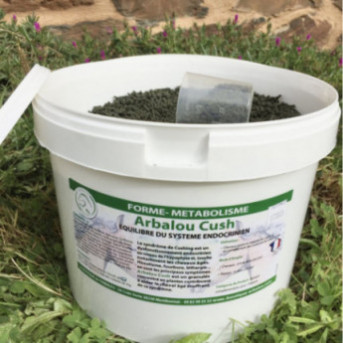
Cushing's syndrome, also known as pituitary pars intermedia dysfunction (PPID), is a hormonal imbalance that primarily affects older horses, often those over 15 years of age. It results from dysfunction of the pituitary gland, which leads to excessive secretion of ACTH (Adrenocorticotropic Hormone). This, in turn, stimulates the adrenal glands to produce excess cortisol, a stress hormone that influences glucose metabolism, protein, lipids, immune function, and much more. The imbalance in cortisol production can lead to a range of symptoms that affect the overall well-being of the horse.
Symptoms of Cushing's Syndrome in Horses:
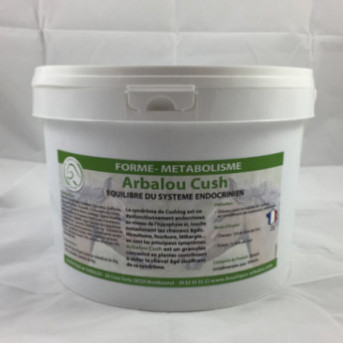
Natural Support with Arbalou Cush Cheval: Arbalou Cush Cheval is a targeted blend of plants designed to help horses suffering from Cushing's syndrome. It works by supporting both the hepatic (liver) and renal (kidney) functions, while also improving joint health and hormonal balance. The following plant ingredients are included to address the various aspects of Cushing's syndrome: Liver and Kidney Support:
Joint and Tissue Support:
Vitamins and Minerals:
Arbalou Cush Cheval is designed to address multiple aspects of Cushing’s syndrome. By combining liver and kidney support, joint care, hormonal regulation, and vitamins/minerals, it provides comprehensive support to help horses with Cushing’s syndrome feel better and maintain overall well-being.
What Causes Cushing's Syndrome in Horses?
Cushing's syndrome is caused by an abnormality in the pituitary gland, which is responsible for controlling the production of hormones like ACTH. In horses with Cushing’s syndrome, the pituitary gland becomes enlarged, leading to excessive production of ACTH. This stimulates the adrenal glands to produce excessive cortisol, a hormone that regulates stress responses, immune function, and metabolism. Over time, elevated cortisol levels can cause the characteristic symptoms of Cushing's syndrome. Diagnosis of Cushing's Syndrome If you suspect your horse may have Cushing’s syndrome, consult a veterinarian. A clinical examination, along with a blood test to measure ACTH levels, is the best way to confirm the diagnosis.
What to Do if Your Horse Has Cushing’s Syndrome?
Although Cushing’s syndrome cannot be cured, it can be managed with medication and natural support. The primary veterinary treatment is Pergolide, which reduces the production of ACTH. In addition to pharmaceutical treatment, Arbalou Cush Cheval can be used as a complementary natural remedy to support liver health, improve circulation, and regulate hormones. Preventive Measures for Horses with Cushing’s Syndrome: Regular Deworming: Ensuring your horse is free of parasites will help reduce the burden on their liver and kidneys. Dental Care: Routine dental check-ups are essential, as Cushing’s horses may have difficulty chewing. Vaccination: Keep vaccinations up to date to help support your horse’s weakened immune system. Limiting High-Energy Foods: Managing diet to avoid excessive weight gain is important. Regular Hoof Care: Given the risk of laminitis, hoof care is crucial. Shaving in Summer: If your horse struggles with shedding, particularly in hot weather, consider regular grooming and shaving to help with the coat. Conclusion: Arbalou Cush Cheval is a natural, plant-based solution designed to support horses with Cushing’s syndrome. While it cannot cure the condition, it can significantly improve your horse’s quality of life by addressing the root causes and symptoms of the disease. With the right care, including medication, a tailored diet, and natural supplementation, your horse can continue to live a comfortable and active life.
Contraindications: Keep out of reach of children.
Store in a protected, dry place.
Close the container tightly after use.
The PP containers used by Arbalou Soins are recyclable in yellow bins.
Micronized Plants: Vitex, Spirulina, Griffonia, Chrysanthellum, Dandelion, Orthosiphon, Nettle, Artichoke, Milk Thistle, Solidago, Barberry, Horsetail, Hawthorn, Broom, Black Radish, Fumitory, Boldo, Blackcurrant (leaves). Alfalfa, Barley, Magnesium chloride, Sucrose, Carob. Additives per kg: Flavoring substance: Apple flavor. Analytical Constituents: Crude protein: 16% Crude fat: 1.5% Crude fiber: 11% Ash: 6% Moisture: 8%.
Packaging: 1 kg bucket: 25 days for one horse 3 kg bucket: 75 days 5 kg bucket: 125 days For larger packaging, please contact us.
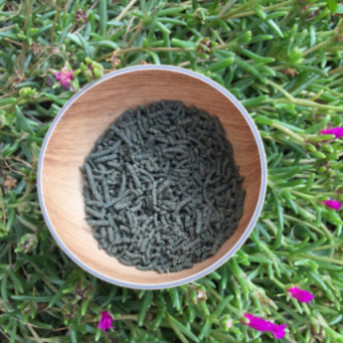
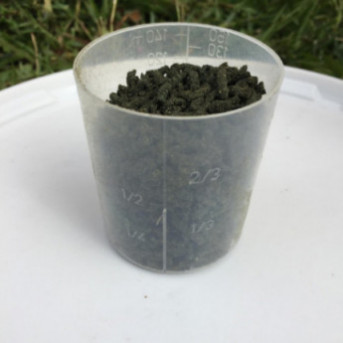
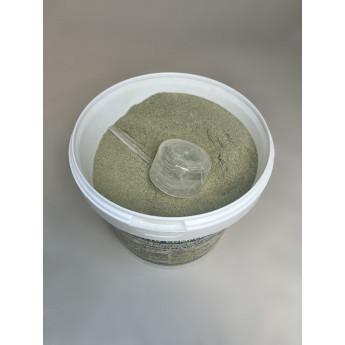
Form: Granules - Cold granulation. Measuring scoop: 55 grams.
Complementary feed for horses.
Made in France.
In case of a severe crisis, you can combine Arbalou Cush Cheval with the following:
Consider performing detox treatments for your horse multiple times a year, based on their individual needs:
Les délais de livraison varient en fonction de votre choix de livraison et de votre lieu de livraison.
Un mélange de fruits associer au complément alimentaire est une bonne solution. Carottes, pommes...
Compote de pomme non sucrée, aromatisé le produit avec de la cannelle, les chevaux adorent ça, mouiller ses granulés avant l'ajout du produit...
Pour la forme poudre, vous pouvez la mélanger avec de l'eau et la mettre également dans une seringue, puis dans la bouche du cheval. Pensez à bien secouer le mélange.
La forme granulés, est en général la plus appétente. Elle peut être aromatisé dans certains cas pour faciliter la prise. La plupart des chevaux le mangeront directement. Moins de gout et moins d'odeur en préservant l'intégrité des matières premières et des principes actifs.
Pour les plus difficiles, l'ajout de pommes ou de carottes les premiers jours, l'habitueront à ce nouveau gout.
La forme liquide, à mettre directement dans la bouche à l'aide d'une seringue, prévue à cet effet.
Sont d'autres options pour aider votre cheval à prendre ses compléments alimentaires.
Donner lui en augmentant progressivement la dose, sur plusieurs jours, va aider votre cheval à s'habituer à ce nouveau gout.
Arbalou Soins, avec vos animaux au quotidien pour leur bien-être.
Plusieurs alternatives :
Un mélange de fruits associer au complément alimentaire est une bonne solution.
Compote de pomme non sucrée, aromatisé le produit avec de la cannelle... Sont d'autres options pour aider votre cheval à prendre ses compléments alimentaires.
Sur chaque étiquette et fiche technique des compléments alimentaires de la boutique Arbalou, vous trouverez les indications suivantes :
Ces dosages sont des moyennes. Il est donc facile de les adapter en fonction du poids de votre animal.
Si votre cheval ou votre poney ne correspond pas exactement à ces poids de référence, adaptez le dosage proportionnellement. Exemple avec Arbalou Phytoflex :
En cas de doute, ajustez en fonction du poids de votre animal pour garantir un dosage optimal.
N’hésitez pas à nous envoyer un petit mail en cas de doute.
Pour la forme liquide, le principe reste le même.
Exemple avec Arbalou Huile de Lin :
Le dosage est ajustable en fonction du poids de l’animal :
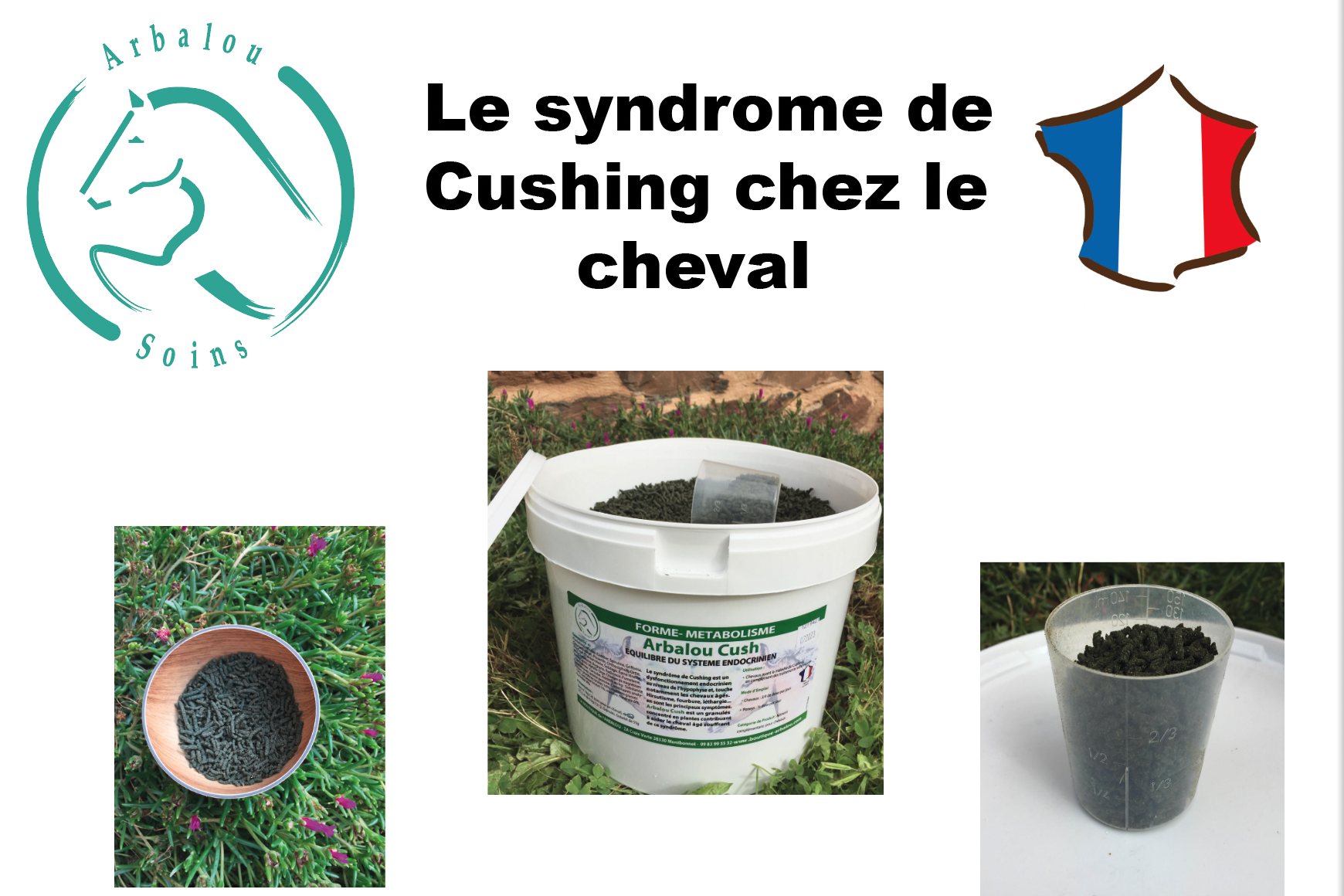 Le syndrome de Cushing chez le cheval
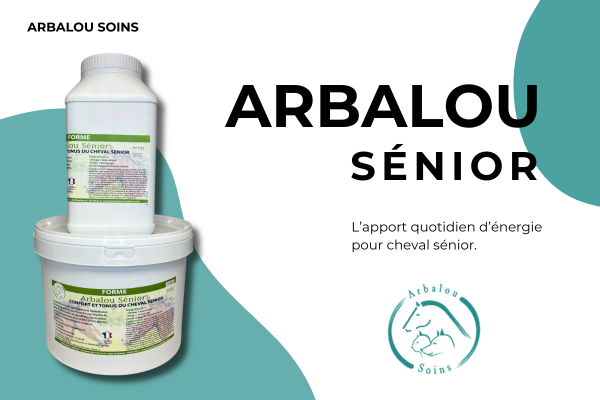 Arbalou Senior, le complément le plus complet pour le vieux cheval.
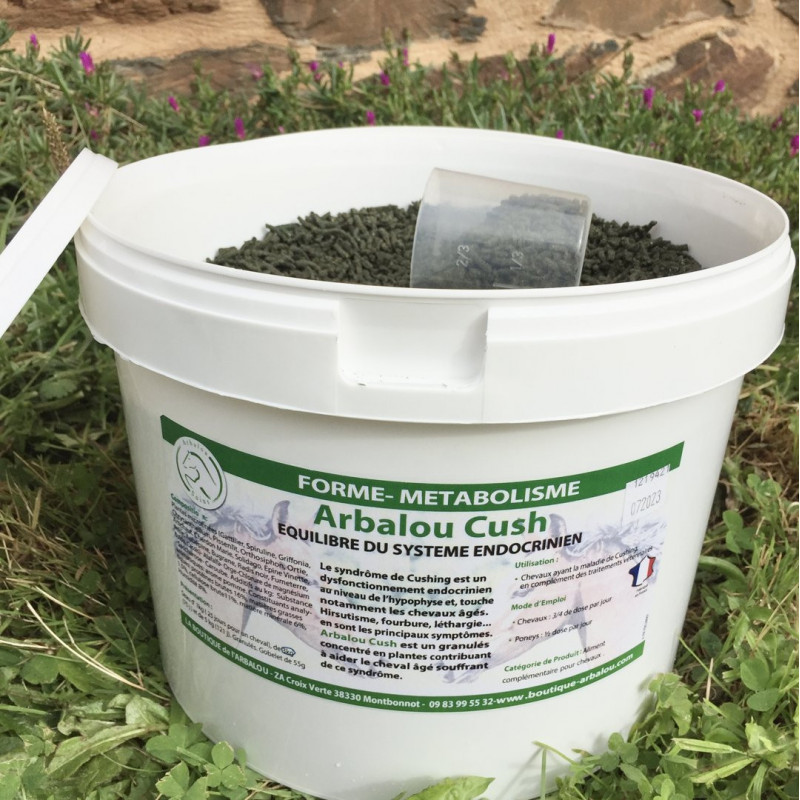
Endocrine System Balance and Cushing's Syndrome in Horses