

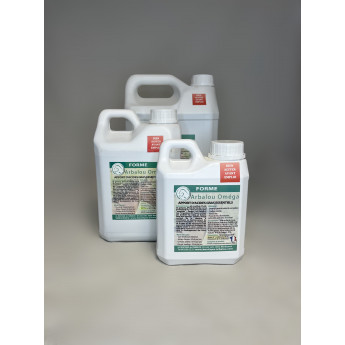
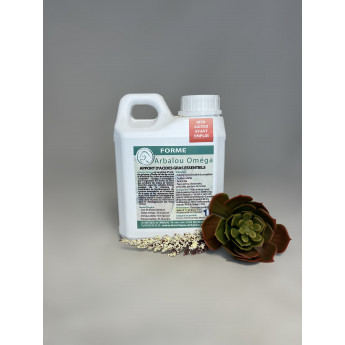
Arbalou Oméga is made from fish oil, cod liver oil, and flaxseed oil, rich in “essential” fatty acids: Omega 3 and...
Starting at €24.90
call 09.83.99.55.32
mail Contact Form
question_answer Frequently Asked Questions
| Monday | 9:30 AM - 12:00 PM | 2:00 PM - 7:00 PM |
| Tuesday | 9:30 AM - 12:00 PM | 2:00 PM - 7:00 PM |
| Wednesday | 9:00 AM - 5:00 PM NON-STOP |
| Thursday | 9:30 AM - 12:00 PM | 2:00 PM - 7:00 PM |
| Friday | 9:30 AM - 12:00 PM | 2:00 PM - 7:00 PM |
| Saturday | 9:30 AM - 12:00 PM |
1012 Chemin de la Croix Verte
ZA Croix Verte
38330 Montbonnot Saint Martin
| Monday | 9:30 AM - 12:00 PM, 2:00 PM - 7:00 PM |
| Tuesday | 9:30 AM - 12:00 PM, 2:00 PM - 7:00 PM |
| Wednesday | 9:30 AM - 5:00 PM NON-STOP |
| Thursday | 9:30 AM - 12:00 PM, 2:00 PM - 7:00 PM |
| Friday | 9:30 AM - 12:00 PM, 2:00 PM - 7:00 PM |
| Saturday | 9:30 AM - 12:00 PM |
Pick up your online orders within 2 hours
Find all the products available on our website
call 09.83.99.55.32
mail Contact Form
question_answer Frequently Asked Questions
| Monday | 9:30 AM - 12:00 PM | 2:00 PM - 7:00 PM |
| Tuesday | 9:30 AM - 12:00 PM | 2:00 PM - 7:00 PM |
| Wednesday | 9:00 AM - 5:00 PM NON-STOP |
| Thursday | 9:30 AM - 12:00 PM | 2:00 PM - 7:00 PM |
| Friday | 9:30 AM - 12:00 PM | 2:00 PM - 7:00 PM |
| Saturday | 9:30 AM - 12:00 PM |
1012 Chemin de la Croix Verte
ZA Croix Verte
38330 Montbonnot Saint Martin
| Monday | 9:30 AM - 12:00 PM, 2:00 PM - 7:00 PM |
| Tuesday | 9:30 AM - 12:00 PM, 2:00 PM - 7:00 PM |
| Wednesday | 9:30 AM - 5:00 PM NON-STOP |
| Thursday | 9:30 AM - 12:00 PM, 2:00 PM - 7:00 PM |
| Friday | 9:30 AM - 12:00 PM, 2:00 PM - 7:00 PM |
| Saturday | 9:30 AM - 12:00 PM |
Pick up your online orders within 2 hours
Find all the products available on our website
| Monday | 9:30 AM - 12:00 PM, 2:00 PM - 7:00 PM |
| Tuesday | 9:30 AM - 12:00 PM, 2:00 PM - 7:00 PM |
| Wednesday | 9:30 AM - 5:00 PM NON-STOP |
| Thursday | 9:30 AM - 12:00 PM, 2:00 PM - 7:00 PM |
| Friday | 9:30 AM - 12:00 PM, 2:00 PM - 7:00 PM |
| Saturday | 9:30 AM - 12:00 PM |
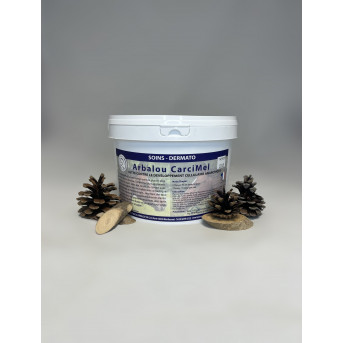
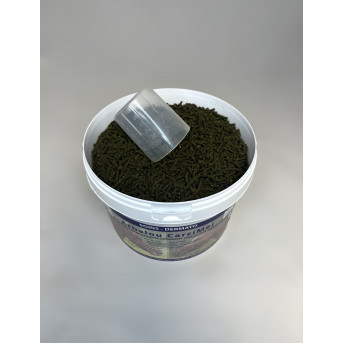
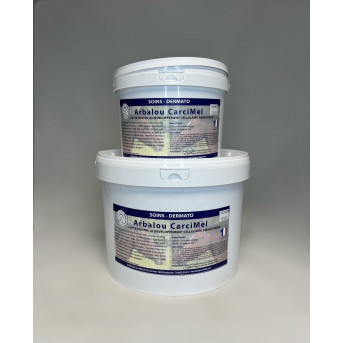
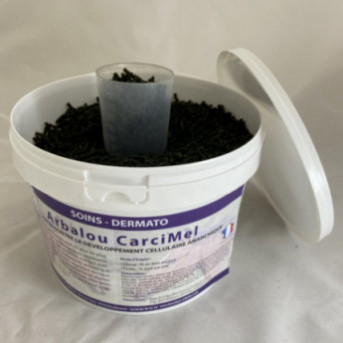
FIGHT AGAINST ANARCHIC CELLULAR DEVELOPMENT in horses. Carcinomas and melanomas.
Jump to descriptionCheck out our FAQ to quickly find answers to all your questions.
Order online and pick up your order at the Montbonnot store in just 2 hours.
Enjoy free shipping on orders of €80 or more when picking up at a pickup point, and €99 or more for home delivery*.
Earn points with every purchase and enjoy exclusive benefits all year round.
Melanomas and carcinomas are increasingly common in horses. Certain aggravating factors have been highlighted:
Current treatments, such as surgery and chemotherapy, show high recurrence rates. show high recurrence rates. Supplementation with plants selected for their recognised properties, as well as highly-dosed antioxidants, is an asset for your horse faced with this situation. Melanoma is a tumour that affects the melanocytes, the melanin-producing cells found in the horse's skin and mucous membranes.
What factors aggravate the development of melanoma in horses?
The age, sex and breed of the horse do not appear to play a role in the risk of developing melanoma. However, the horse's coat is an important factor. Over 80% of grey horses over 15 years old have at least one melanoma! Other horse coats are also likely to develop melanomas.
What causes melanoma in horses?
Contrary to popular belief, UV rays, and therefore the sun, are not necessarily factors in the development of melanomas, as the most common locations in horses are around the anus and under the tail. Recent studies suggest that regular contact with locally carcinogenic substances may lead to a disruption in the cell renewal process, resulting in uncontrolled cell multiplication and the formation of melanoma. Genetic components linked to the grey coat are also thought to be involved. How do you recognise a melanoma in a horse? Melanoma in horses can be isolated or multiple, appearing as a dark nodule and measuring from a few millimetres to several dozen centimetres. It is typically found around the anus, perineum and genitals. To a lesser extent, the head and limbs.
What are the symptoms associated with melanoma?
Depending on the location and the presence of metastases, melanoma can lead to the appearance of :
What are the different types of melanoma in horses?
What are the treatments for melanoma in horses?
At present, there has been little real progress in the treatment of melanoma in horses. Isolated melanomas, whose location has no impact on the horse's comfort, simply need to be monitored.
Surgery has a high recurrence rate, which seems to be decreasing with the use of a carbon dioxide laser. The use of cisplatin injections has not been shown to be of any real benefit. To date, the administration of cimetidine, an antacid, has not been shown to be of any real benefit in the management of melanoma. The most concrete current project is the use of immunotherapy, and studies are underway. Phytotherapy can limit the development of melanoma. Many drugs used in chemotherapy are derived from new discoveries in the field of plants.
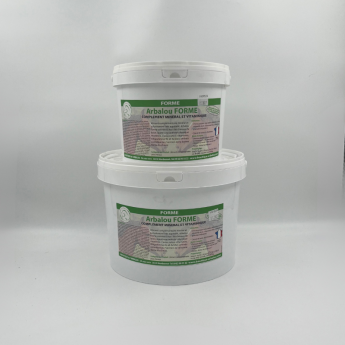
Based on these findings, Arbalou Soins has developed a unique formula,rich in plants with adaptogenic, anti-tumour, neo-angiogenesis inhibiting and immune defence boosting properties, combined with antioxidants and manganese. New formula :
Combined with Arbalou Omega (fish, cod liver and linseed oils) or with Arbalou Linseed Oil, these two oils for horses are also a valuable aid for horses with difficulty defecating by softening and lubricating your horse's droppings.
Arbalou Soins, expert in food supplements, plants and hygiene for horses, dogs and cats, innovates every day for the well-being of your animals and advocates French manufacturing.
Horse: ⅔ dose per day Pony: ½ dose per day
Contraindication: Due to a lack of studies, this product is contraindicated in pregnant females, however a pregnant brood mare was part of the study and no side effects were listed. Keep out of reach of children Store in a protected, dry place away from light. Close the jar tightly after use The PP jars used by Arbalou Soins can be recycled in the yellow bins.
Microfinished plants : Dandelion, Spirulina, Turmeric, Ginger, Centellas asiatica, Carob, Ginko biloba, Aniseed. Molasses (beet sugar), Magnesium hydroxide. Additives per kg: 3ά700 Vitamin E (all-rac-ά-tocopheryl acetate): 2,500 IU, 3a300 ascorbic acid: 30,000 mg. Trace elements: 3b503 (manganese sulphate monohydrate): 4,800 mg, 3b506 (glycine manganese chelate): 1,200 mg. Apple flavour. Analytical constituents: Crude protein: 18 %, Fat: 2.6 %, Crude fibre: 12 %, Mineral matter: 15 %, Moisture: 8 %.
Packaging: 1.5 kg pail: 30 to 43 days' use 3 kg bucket: 60 to 86 days.
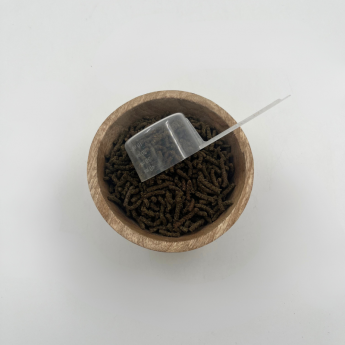
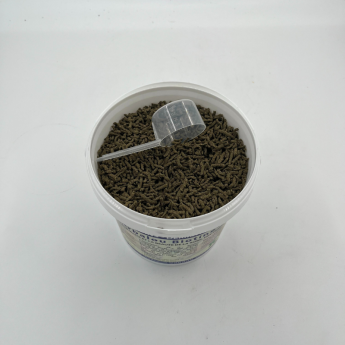
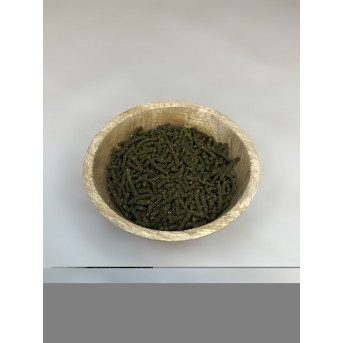
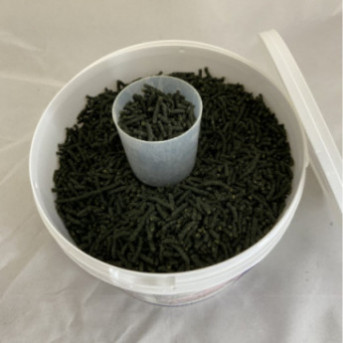
Granules - 70g cup.
Minimum 3-month course of treatment.
Use until satisfied.
For a healthy environment for your horse, use :
Arbalou Bact is an essential product for all owners of horse stalls and shelters. Based on essential oils and plants, Arbalou Bact is antiseptic, deodorising and insect repellent. Arbalou Bact is ideal for disinfecting and deodorising horse stalls before mulching or transport vehicles... Regular cleaning and disinfection of equipment, stables and horse shelters is very important to provide a healthy environment for your horse.
Arbalou SPRAY répulsifcomes in a spray for easy treatment of large surfaces. Immediately active. The formula contains a film-forming agent that guarantees protection for several hours. Our horse repellent spray effectively repels all types of insects: flies, horseflies, flat flies, mosquitoes, culicoides, ticks, etc. Non-greasy horse fly repellent.
Les délais de livraison varient en fonction de votre choix de livraison et de votre lieu de livraison.
Un mélange de fruits associer au complément alimentaire est une bonne solution. Carottes, pommes...
Compote de pomme non sucrée, aromatisé le produit avec de la cannelle, les chevaux adorent ça, mouiller ses granulés avant l'ajout du produit...
Pour la forme poudre, vous pouvez la mélanger avec de l'eau et la mettre également dans une seringue, puis dans la bouche du cheval. Pensez à bien secouer le mélange.
La forme granulés, est en général la plus appétente. Elle peut être aromatisé dans certains cas pour faciliter la prise. La plupart des chevaux le mangeront directement. Moins de gout et moins d'odeur en préservant l'intégrité des matières premières et des principes actifs.
Pour les plus difficiles, l'ajout de pommes ou de carottes les premiers jours, l'habitueront à ce nouveau gout.
La forme liquide, à mettre directement dans la bouche à l'aide d'une seringue, prévue à cet effet.
Sont d'autres options pour aider votre cheval à prendre ses compléments alimentaires.
Donner lui en augmentant progressivement la dose, sur plusieurs jours, va aider votre cheval à s'habituer à ce nouveau gout.
Arbalou Soins, avec vos animaux au quotidien pour leur bien-être.
Plusieurs alternatives :
Un mélange de fruits associer au complément alimentaire est une bonne solution.
Compote de pomme non sucrée, aromatisé le produit avec de la cannelle... Sont d'autres options pour aider votre cheval à prendre ses compléments alimentaires.
Sur chaque étiquette et fiche technique des compléments alimentaires de la boutique Arbalou, vous trouverez les indications suivantes :
Ces dosages sont des moyennes. Il est donc facile de les adapter en fonction du poids de votre animal.
Si votre cheval ou votre poney ne correspond pas exactement à ces poids de référence, adaptez le dosage proportionnellement. Exemple avec Arbalou Phytoflex :
En cas de doute, ajustez en fonction du poids de votre animal pour garantir un dosage optimal.
N’hésitez pas à nous envoyer un petit mail en cas de doute.
Pour la forme liquide, le principe reste le même.
Exemple avec Arbalou Huile de Lin :
Le dosage est ajustable en fonction du poids de l’animal :
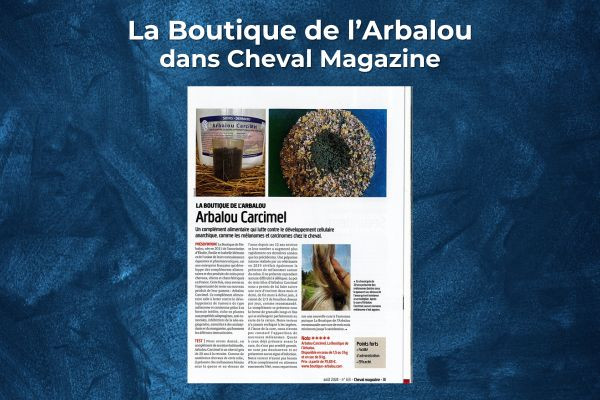 Test de l'Arbalou Carcimel par cheval magazine.
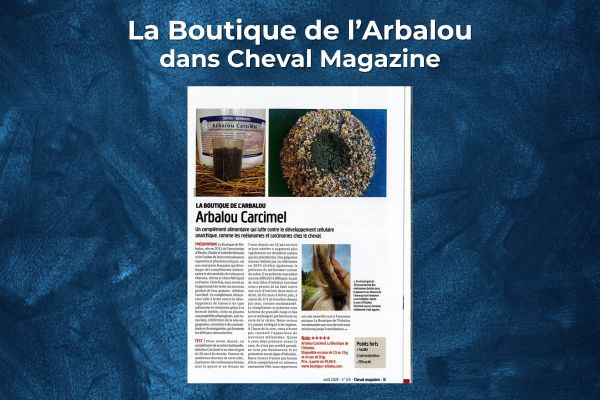 Découvrez le test de cheval magazine
 La Boutique de l’Arbalou fête ses 14 ans !
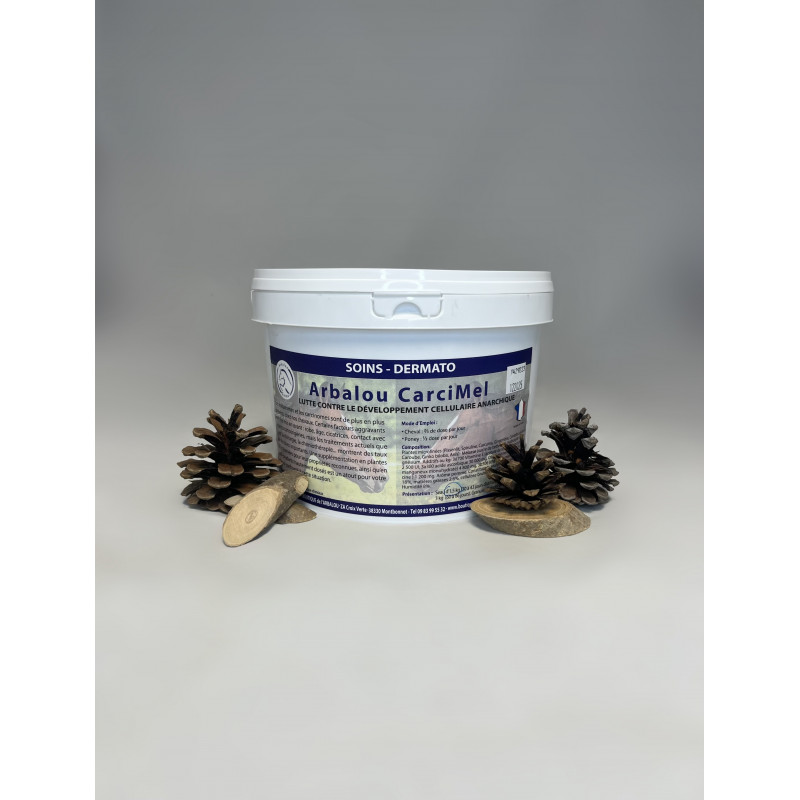
FIGHT AGAINST ANARCHIC CELLULAR DEVELOPMENT in horses. Carcinomas and melanomas.