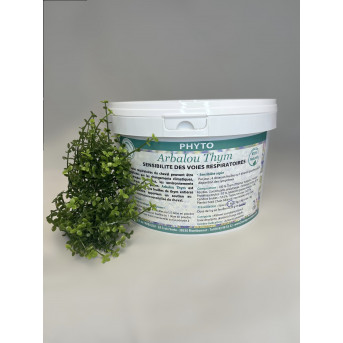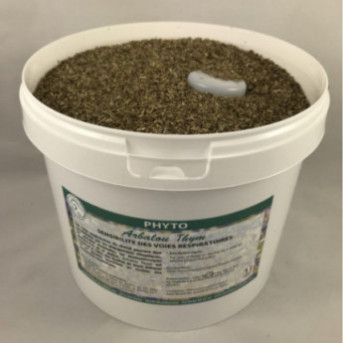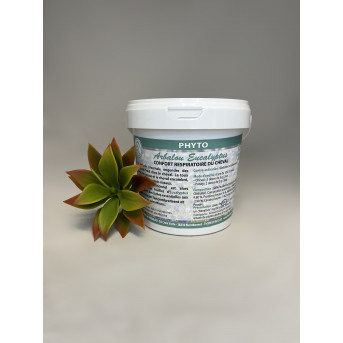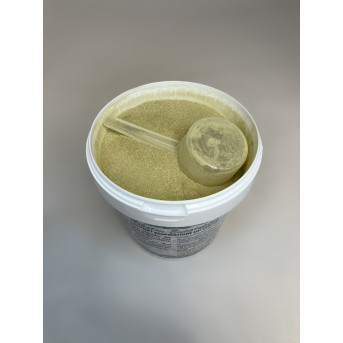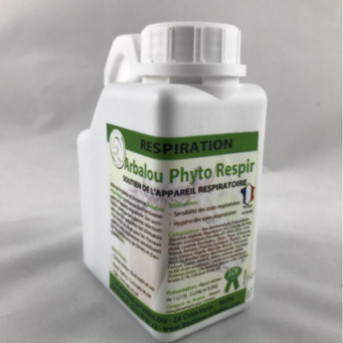
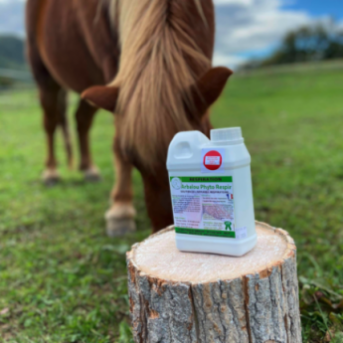
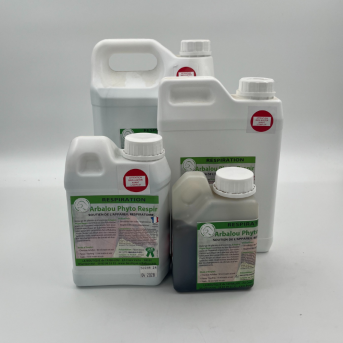
Arbalou Herbal Breathe is a concentrated herbal syrup specially designed to support the respiratory system of...
Starting at €37.60
€37.60
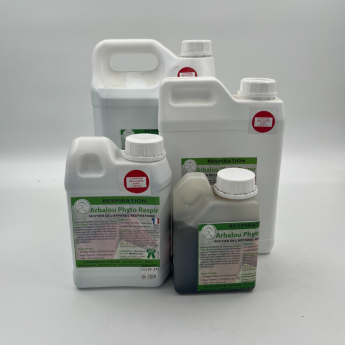
Syrup to support horses with occasional coughing, a blend of herbs and essential oils. Non-Doping
€37.60
call 09.83.99.55.32
mail Contact Form
question_answer Frequently Asked Questions
| Monday | 9:30 AM - 12:00 PM | 2:00 PM - 7:00 PM |
| Tuesday | 9:30 AM - 12:00 PM | 2:00 PM - 7:00 PM |
| Wednesday | 9:00 AM - 5:00 PM NON-STOP |
| Thursday | 9:30 AM - 12:00 PM | 2:00 PM - 7:00 PM |
| Friday | 9:30 AM - 12:00 PM | 2:00 PM - 7:00 PM |
| Saturday | 9:30 AM - 12:00 PM |
1012 Chemin de la Croix Verte
ZA Croix Verte
38330 Montbonnot Saint Martin
| Monday | 9:30 AM - 12:00 PM, 2:00 PM - 7:00 PM |
| Tuesday | 9:30 AM - 12:00 PM, 2:00 PM - 7:00 PM |
| Wednesday | 9:30 AM - 5:00 PM NON-STOP |
| Thursday | 9:30 AM - 12:00 PM, 2:00 PM - 7:00 PM |
| Friday | 9:30 AM - 12:00 PM, 2:00 PM - 7:00 PM |
| Saturday | 9:30 AM - 12:00 PM |
Pick up your online orders within 2 hours
Find all the products available on our website
call 09.83.99.55.32
mail Contact Form
question_answer Frequently Asked Questions
| Monday | 9:30 AM - 12:00 PM | 2:00 PM - 7:00 PM |
| Tuesday | 9:30 AM - 12:00 PM | 2:00 PM - 7:00 PM |
| Wednesday | 9:00 AM - 5:00 PM NON-STOP |
| Thursday | 9:30 AM - 12:00 PM | 2:00 PM - 7:00 PM |
| Friday | 9:30 AM - 12:00 PM | 2:00 PM - 7:00 PM |
| Saturday | 9:30 AM - 12:00 PM |
1012 Chemin de la Croix Verte
ZA Croix Verte
38330 Montbonnot Saint Martin
| Monday | 9:30 AM - 12:00 PM, 2:00 PM - 7:00 PM |
| Tuesday | 9:30 AM - 12:00 PM, 2:00 PM - 7:00 PM |
| Wednesday | 9:30 AM - 5:00 PM NON-STOP |
| Thursday | 9:30 AM - 12:00 PM, 2:00 PM - 7:00 PM |
| Friday | 9:30 AM - 12:00 PM, 2:00 PM - 7:00 PM |
| Saturday | 9:30 AM - 12:00 PM |
Pick up your online orders within 2 hours
Find all the products available on our website
| Monday | 9:30 AM - 12:00 PM, 2:00 PM - 7:00 PM |
| Tuesday | 9:30 AM - 12:00 PM, 2:00 PM - 7:00 PM |
| Wednesday | 9:30 AM - 5:00 PM NON-STOP |
| Thursday | 9:30 AM - 12:00 PM, 2:00 PM - 7:00 PM |
| Friday | 9:30 AM - 12:00 PM, 2:00 PM - 7:00 PM |
| Saturday | 9:30 AM - 12:00 PM |

12 products







Yes — training must be carefully adapted when a horse is affected by acute or chronic cough, especially in cases of equine emphysema. Respiratory conditions can significantly reduce lung capacity and oxygen intake, which directly impacts muscle performance, recovery, and overall endurance.
Because symptoms can vary from day to day, it is essential to adjust the workload according to the horse’s current condition and breathing comfort.
A very progressive warm-up is strongly recommended to allow the respiratory system to adjust gently to physical effort. Sudden or intense exercise should be avoided, as it can worsen breathing difficulties.
Work sessions should ideally take place outdoors, in a well-ventilated environment. If training is done in an arena, the surface should be watered beforehand to reduce dust particles suspended in the air, which can irritate the airways.
Respiratory difficulty directly affects oxygen supply to the muscles. For this reason, training should remain calm, progressive, and adapted to the horse’s breathing capacity. The goal is to maintain light, controlled exercise that supports mobility without overloading the respiratory system.
Everything in the horse’s routine should aim to make breathing easier, especially during work sessions.
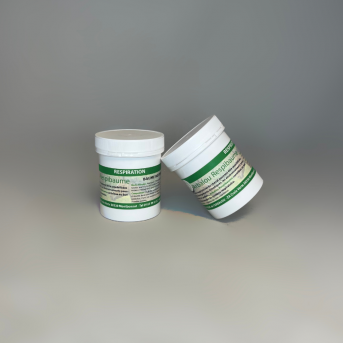
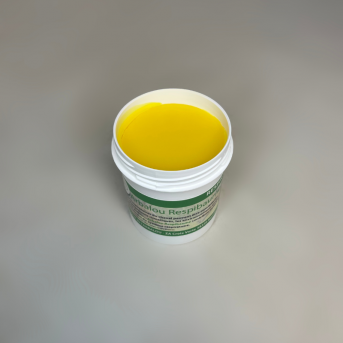
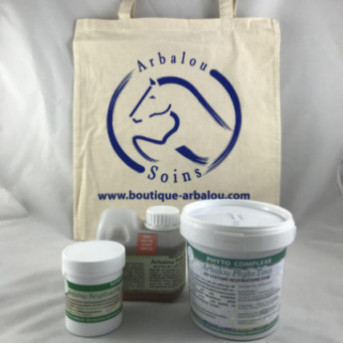
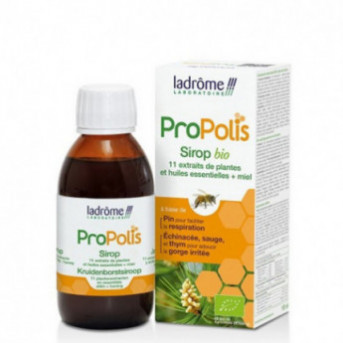
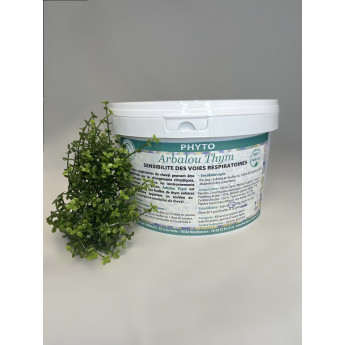
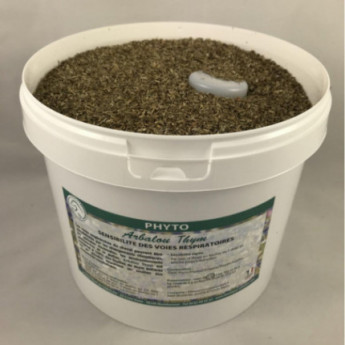
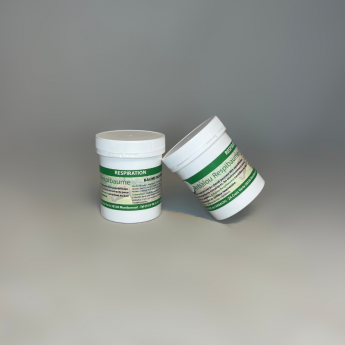
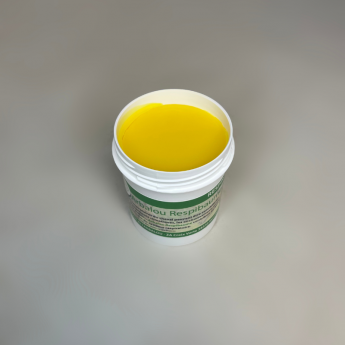
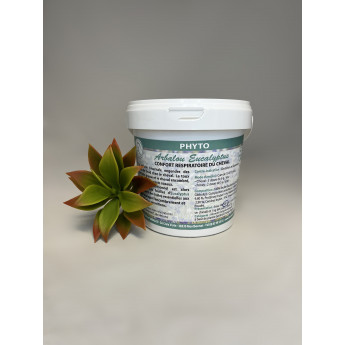
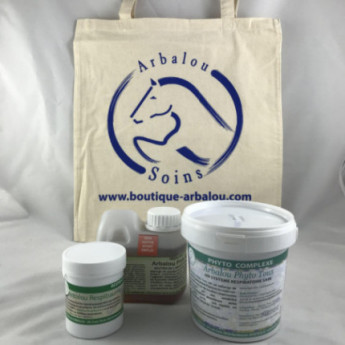
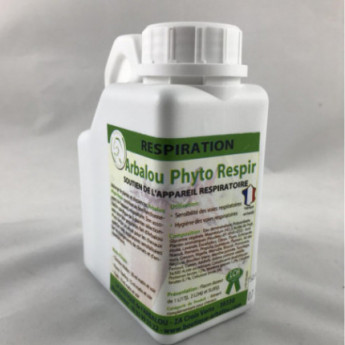
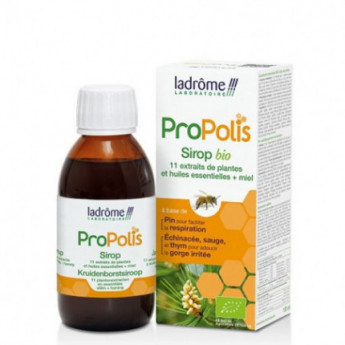
Before each training session, some owners use natural respiratory care products to support comfort. For example, Arbalou Respibaume is a nasal balm designed to help clear and soothe the airways, while Arbalou Herbal Respir is a herbal syrup formulated with plant extracts and essential oils that support respiratory function.
These phytotherapy-based solutions are widely used as part of a natural approach to equine respiratory care. While not a replacement for veterinary treatment, they can complement daily management and help improve comfort.
Adapting exercise, reducing dust exposure, and supporting respiratory comfort are essential steps to help horses with chronic or acute coughing conditions maintain better quality of life and safer training routines.